The chef is right in front of you. Close enough that photographing your own plate feels rude. That is why, for years, I barely took pictures here.
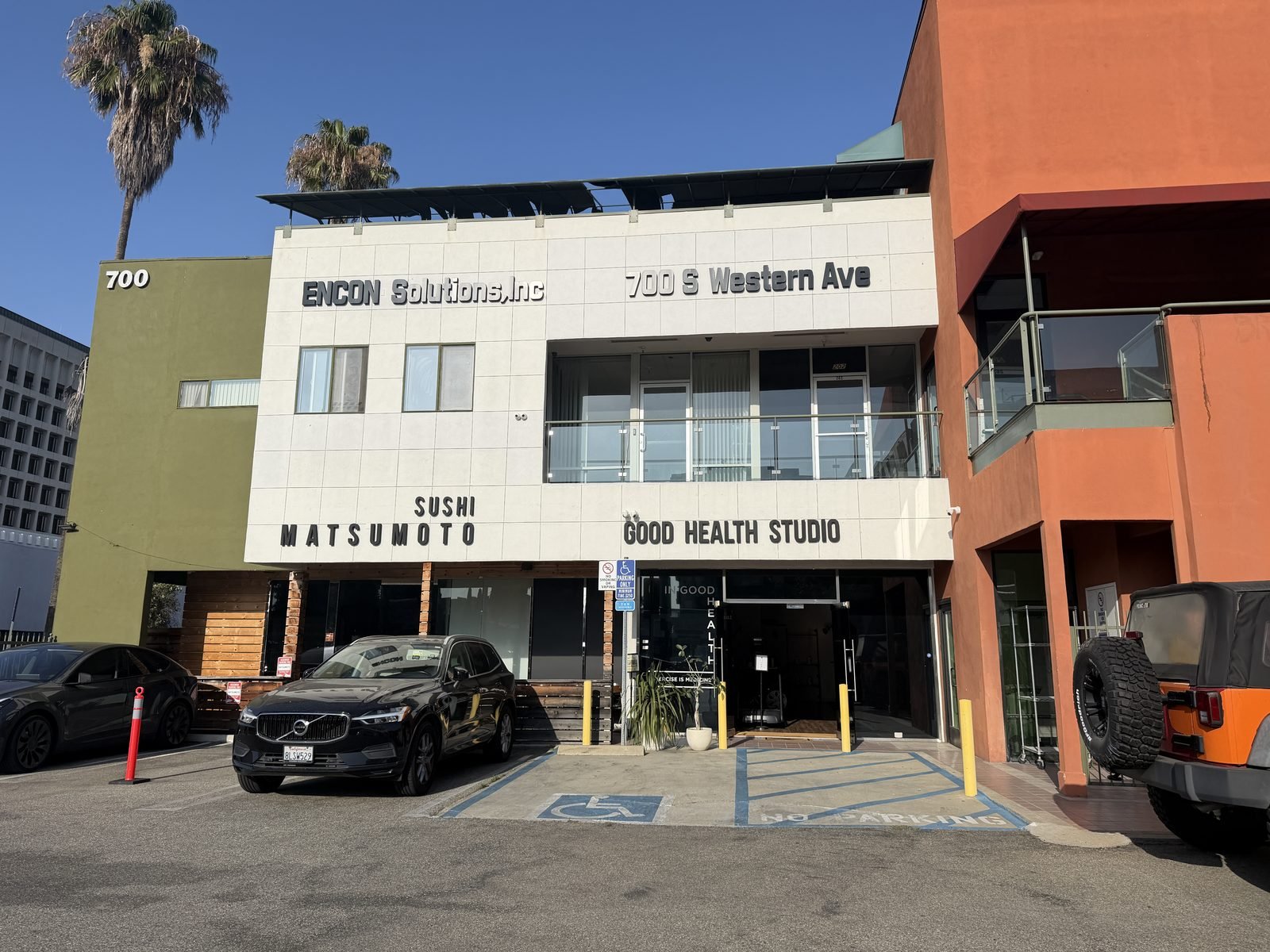
Matsumoto is a small Japanese sushi bar that recently moved into Koreatown, on South Western Avenue. I have been going since the pandemic, when they were serving guests under a tent in the parking lot. It is expensive. It is also the kind of expensive I have never regretted.
At a glance
- Taste — ⭐⭐⭐⭐⭐
- The room — ⭐⭐⭐⭐☆
- Price — ⭐⭐⭐☆☆
- Service — ⭐⭐⭐⭐☆
- Best for — an anniversary, a birthday, or the one splurge dinner of the season
- Not for — a big group, a quick bite, or a night when you want a lot of food for the money
A Japanese sushi bar in a Korean neighbourhood
Most of the Japanese restaurants in Koreatown are run by Korean owners, and many of them are very good. Matsumoto is different — it is Japanese-run, and the difference shows in the fish. Much of it is flown in from Japan, and the chef will tell you where a piece came from if you ask. That is the kind of detail a kitchen only volunteers when it is proud of the sourcing.
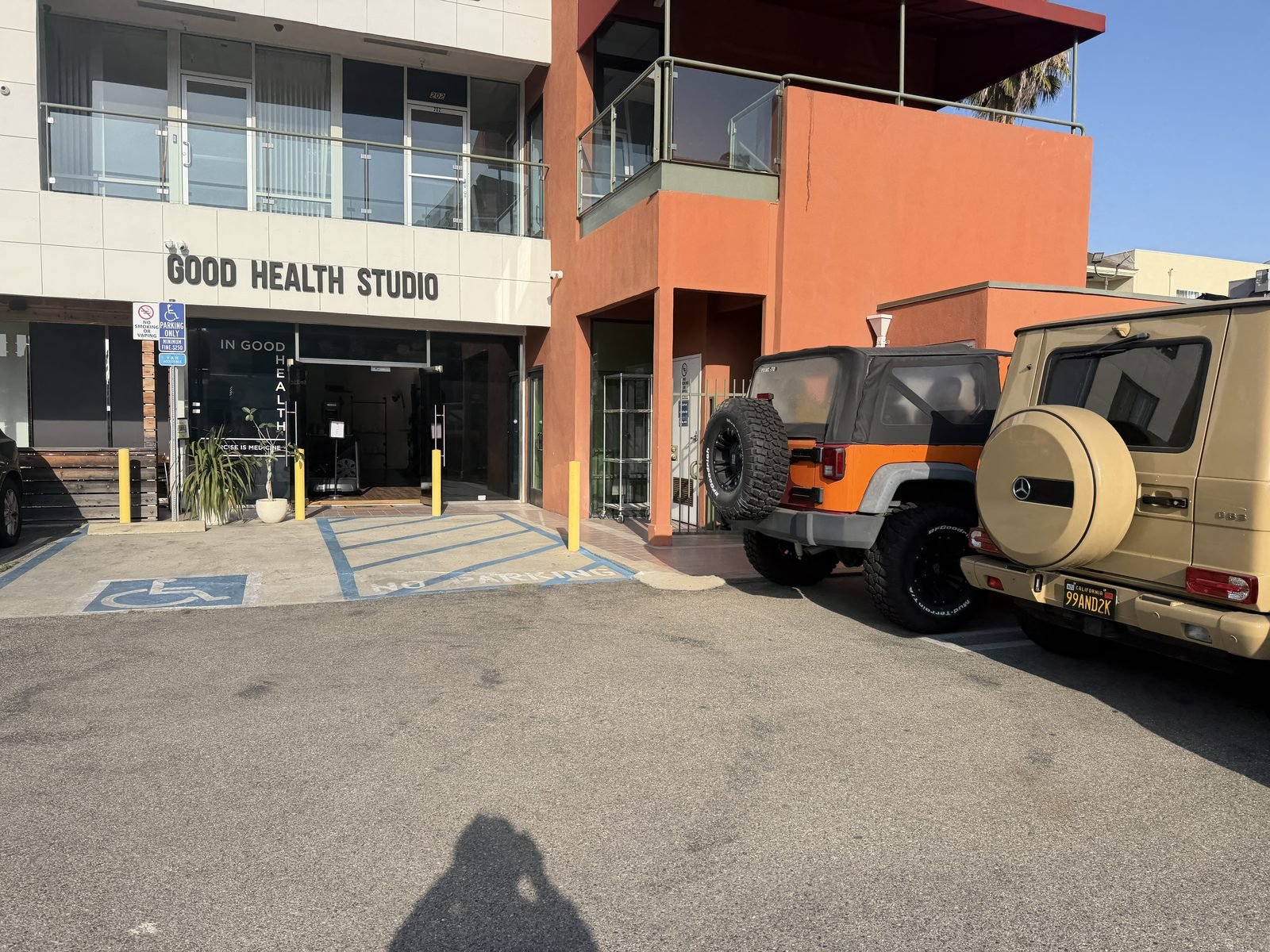
There is parking right in front of the door, which in this part of Koreatown is a small mercy.
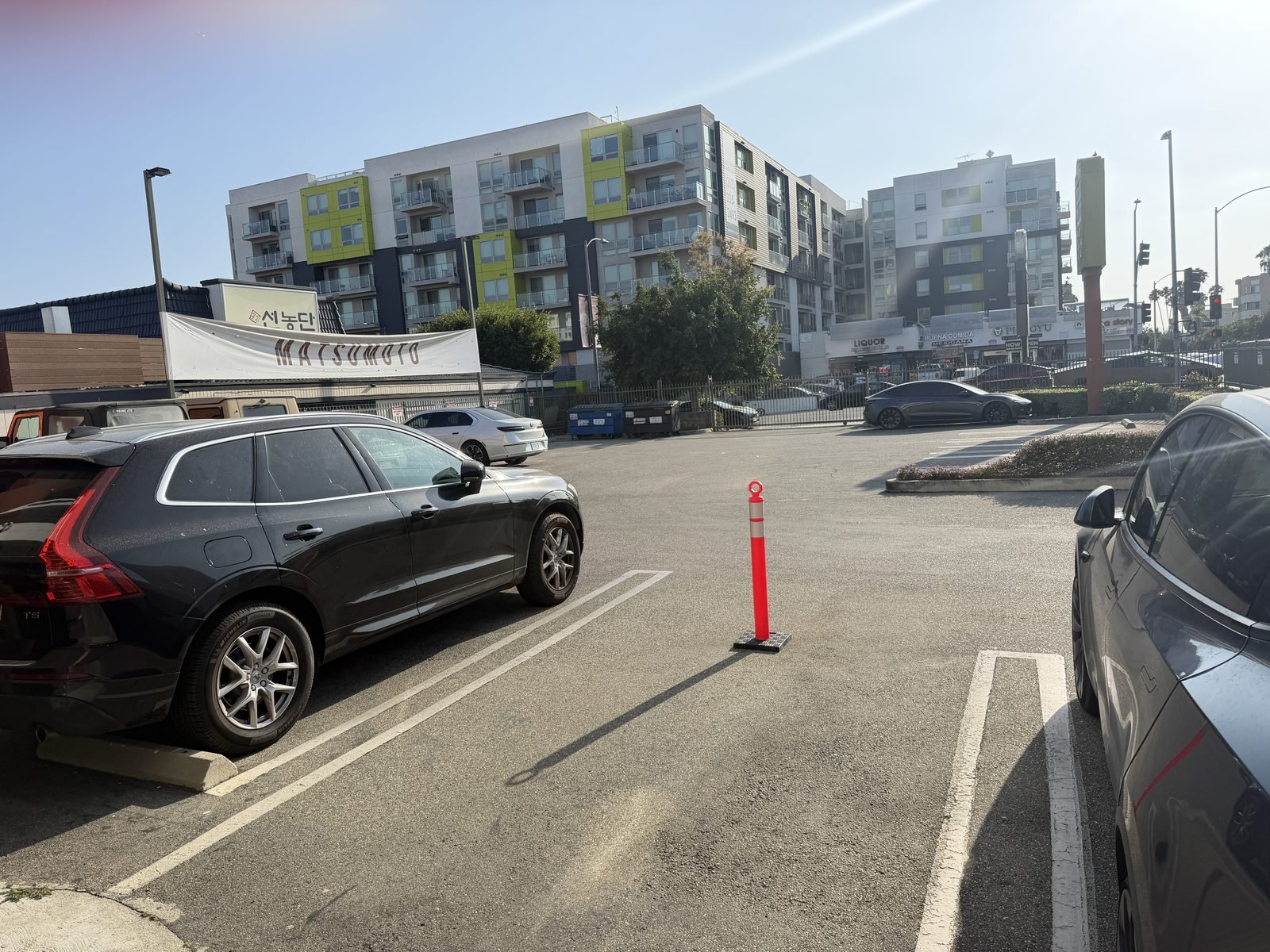
The room is tiny — book ahead
This has always been a small restaurant. At the old location there were maybe four tables and a few seats outside, and the new room is the same idea: a counter, a handful of tables, and that is the whole thing. The sushi bar takes parties of one to three, tables take up to four, and anything bigger has to be arranged by phone. Reservations were hard to get even in the tent days.
What we ordered, and what it cost
We went straight to the omakase, which is how I have always eaten here — you say roughly how many pieces you want, the chef decides what they are, and the bill follows from that. Three of us ate, and it came to just over $700, including a bottle of sake that was over $100 on its own. If you want to leave full, plan on roughly $200 a person. The omakase runs about fifteen to twenty-five pieces, so the number at the bottom is partly in your hands. Lunch is the gentler door in — a ten-piece set for around $80 (please confirm when you book).
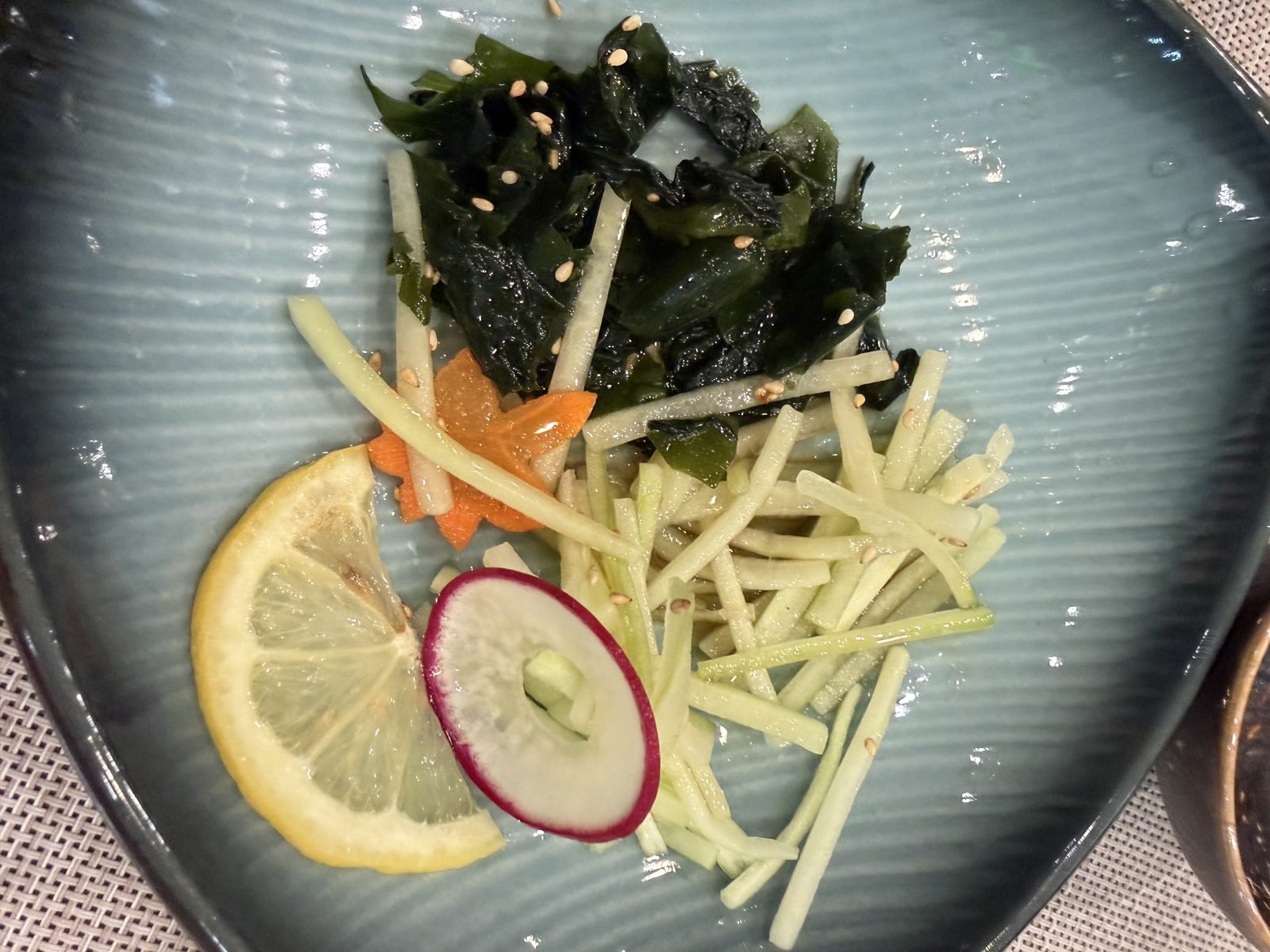
The sake, and the cups
One small thing I love here: nothing matches, and all of it is beautiful. Every plate is a different plate. Every sake cup is a different cup. One night a blue cut-glass one came out for me, and it made the drink taste colder than it was.
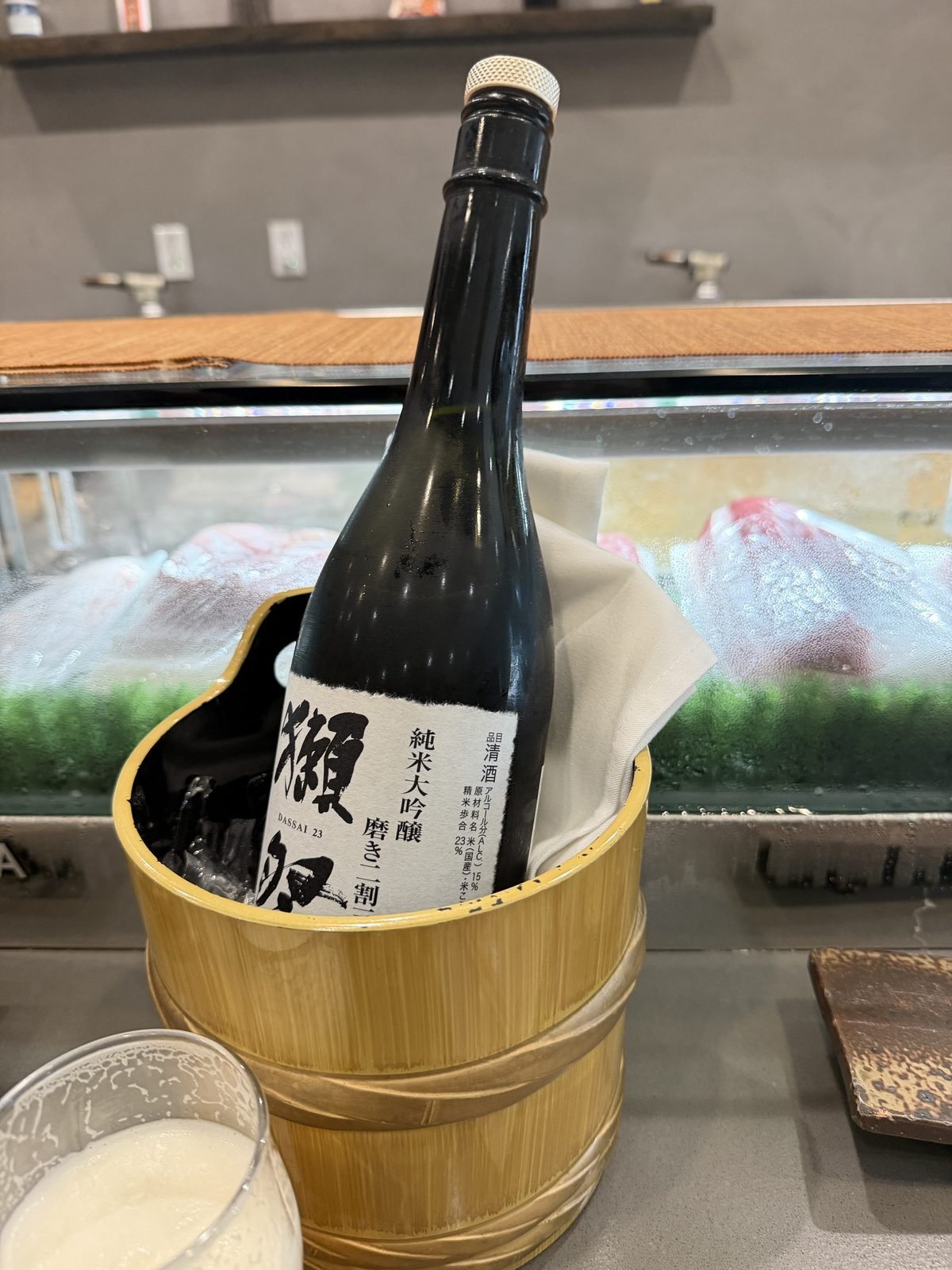
The starters
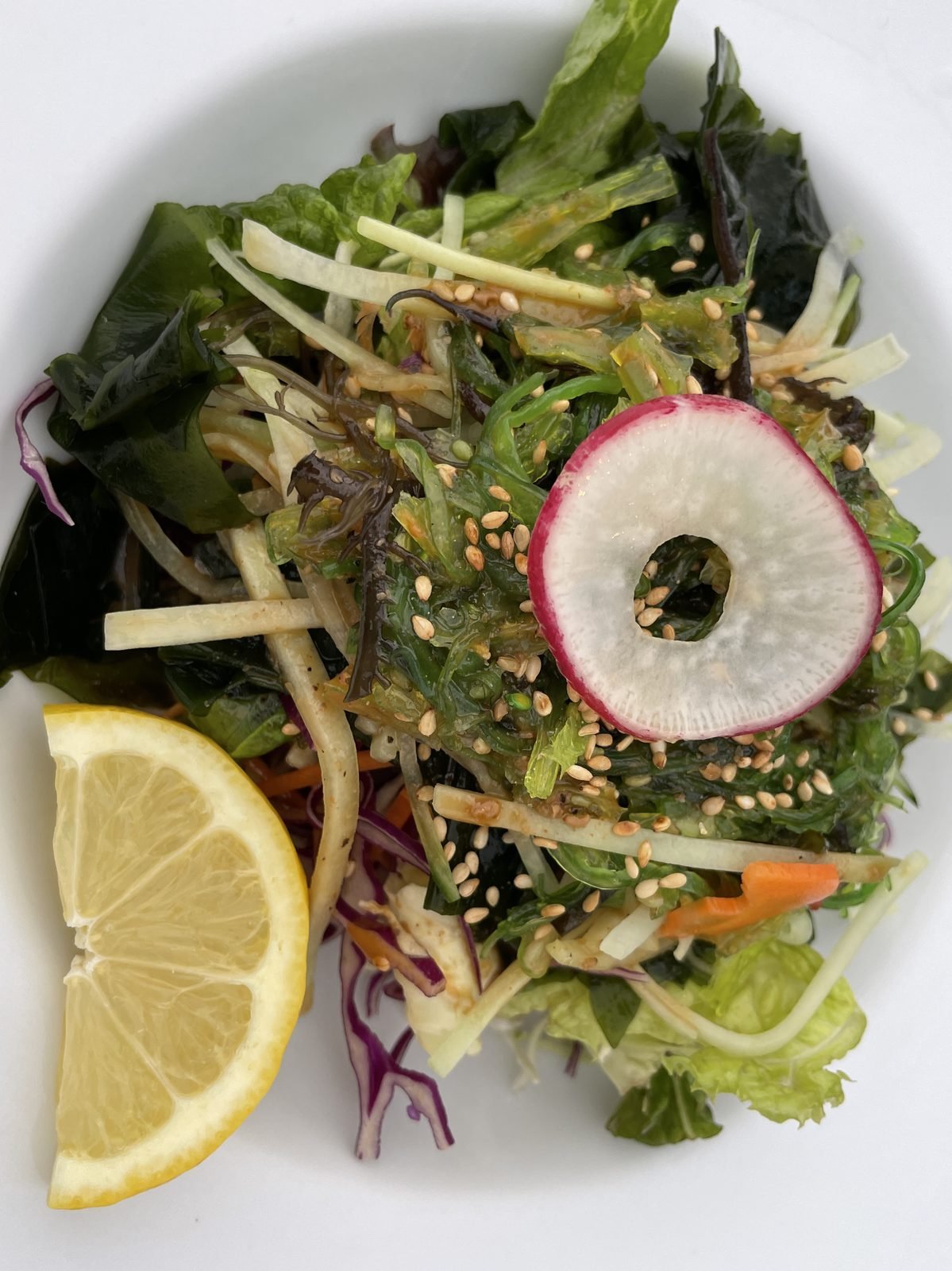
Seaweed salad first — cold, clean, a little sharp. It does what a starter should do, which is wake your mouth up and then get out of the way.
The oysters are the ones I trust
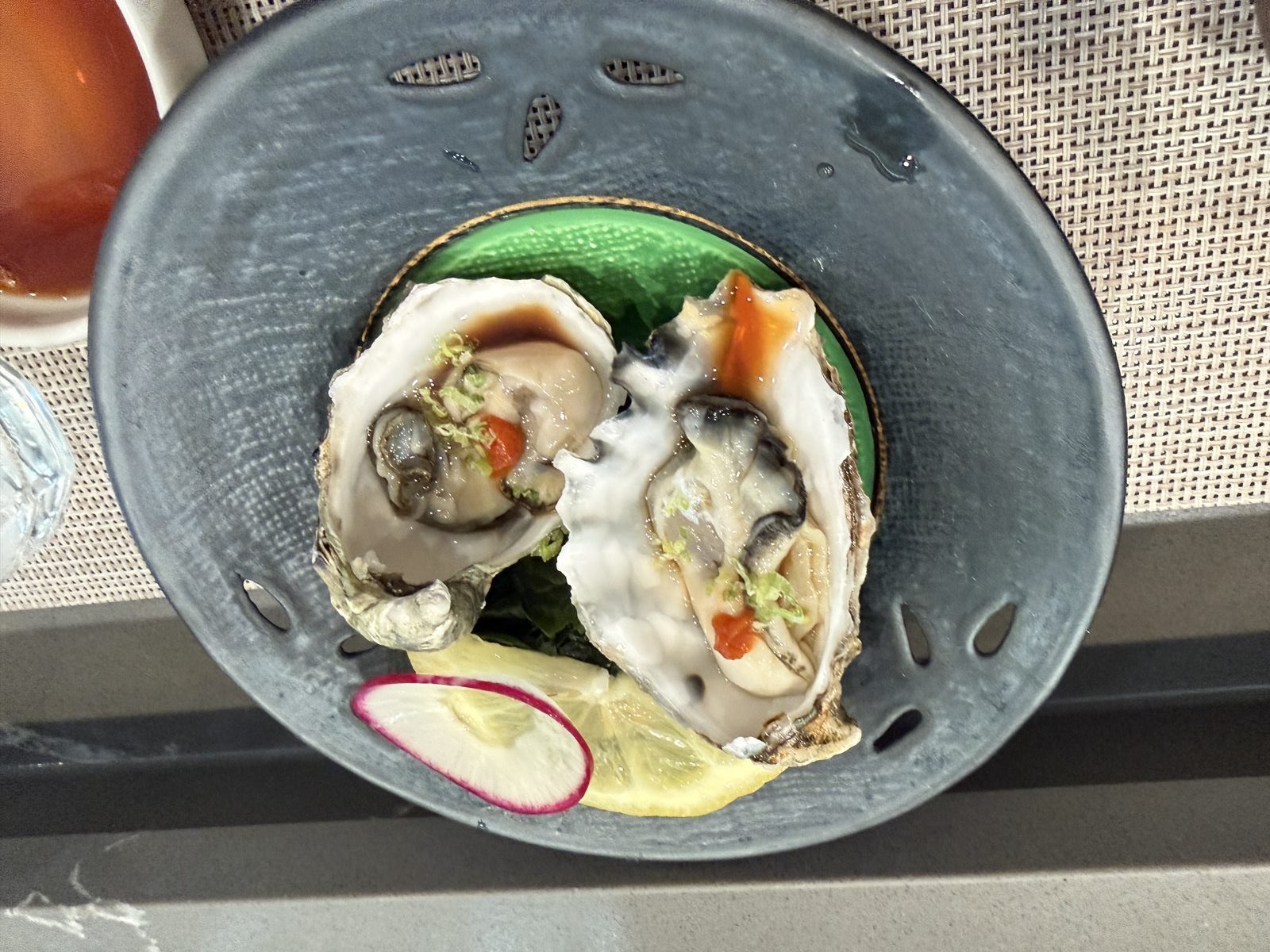
I am careful about raw oysters almost everywhere. Here I am not. They arrive cold and tight and taste like the sea rather than like the refrigerator, and I have never once hesitated over them.
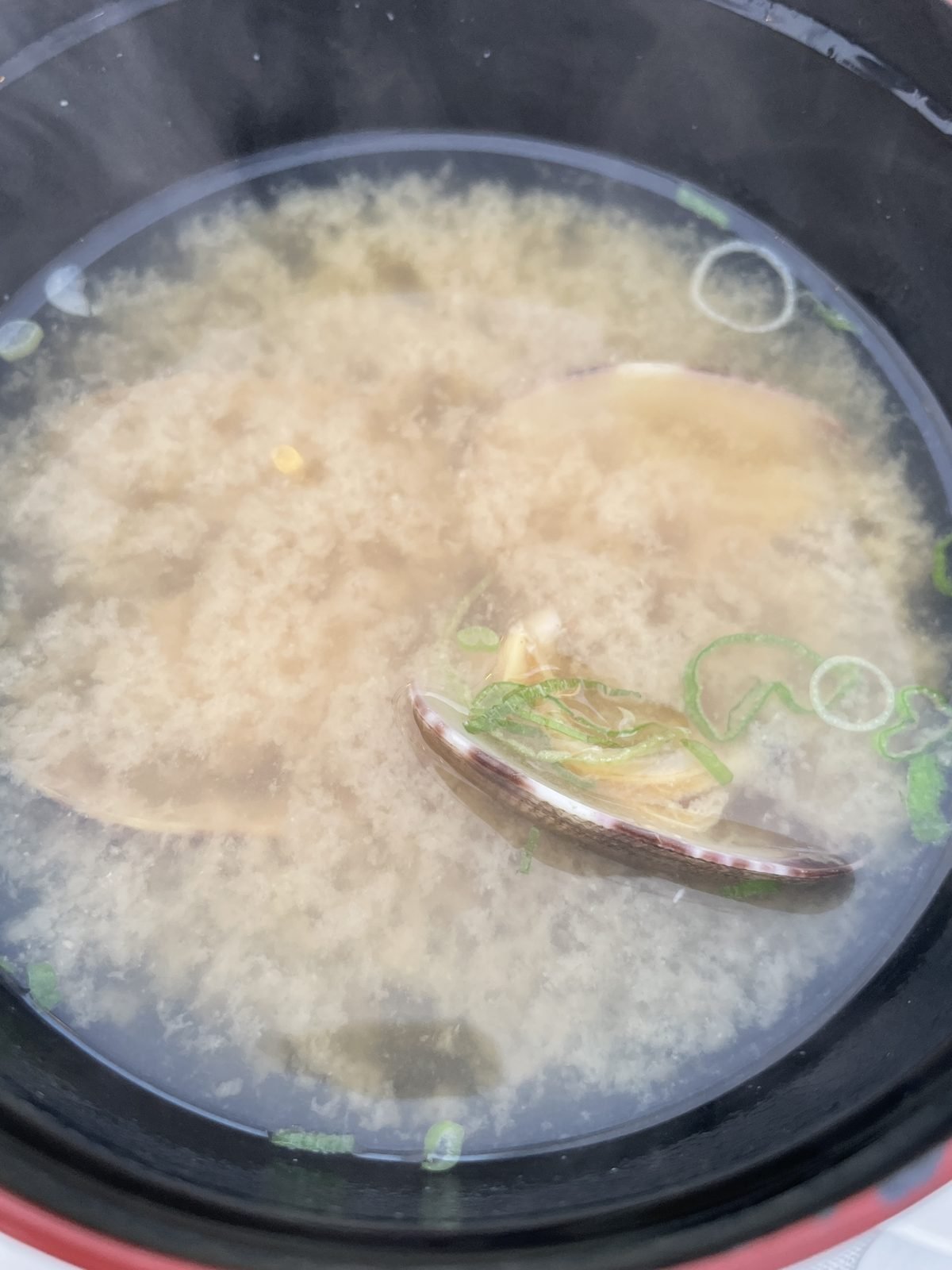
The clam miso soup deserves its own mention. It is not the miso soup that comes free with a lunch box — it is deeper, sweeter, and the clams actually taste of clam.
The dishes I would come back for
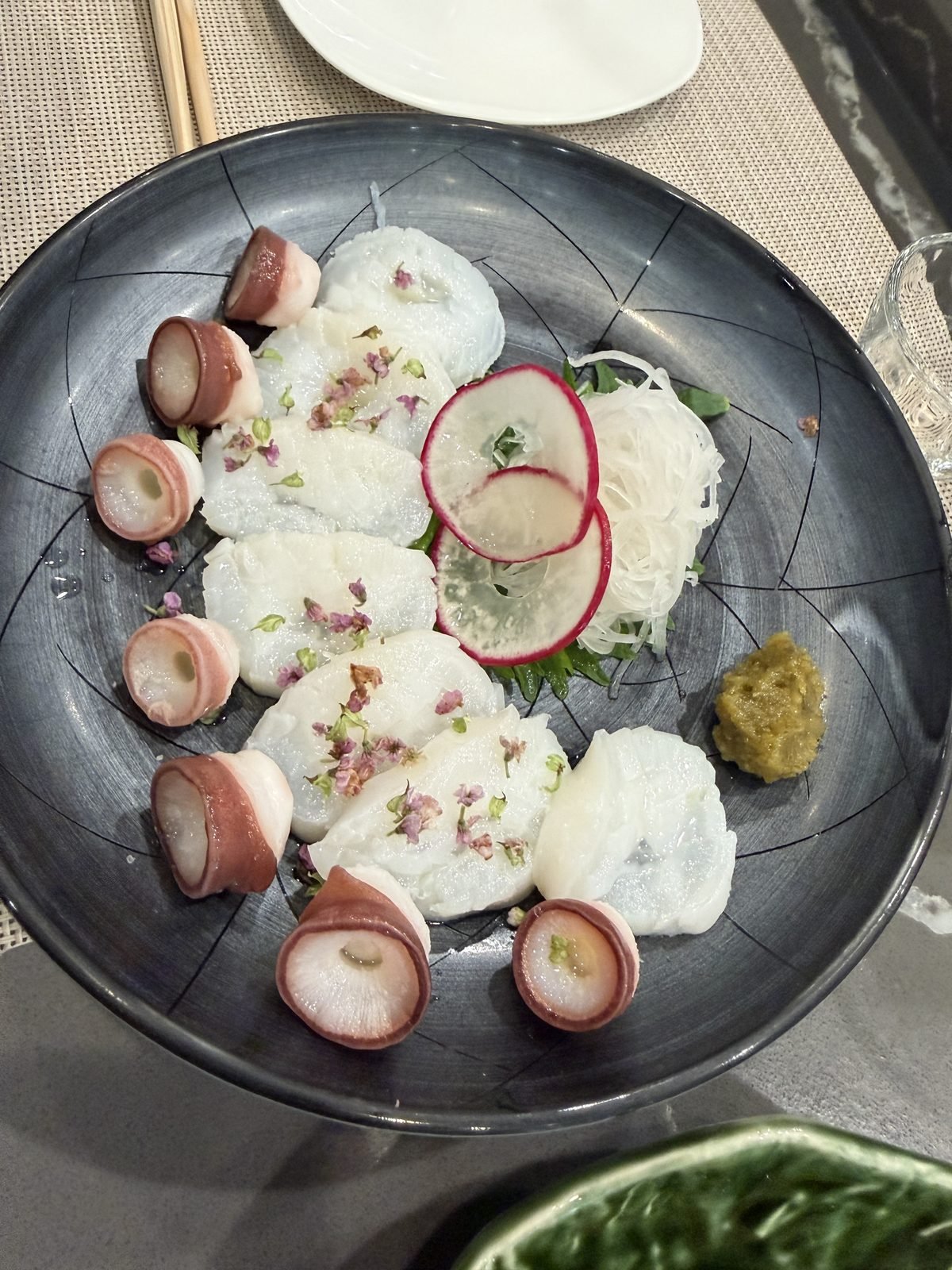
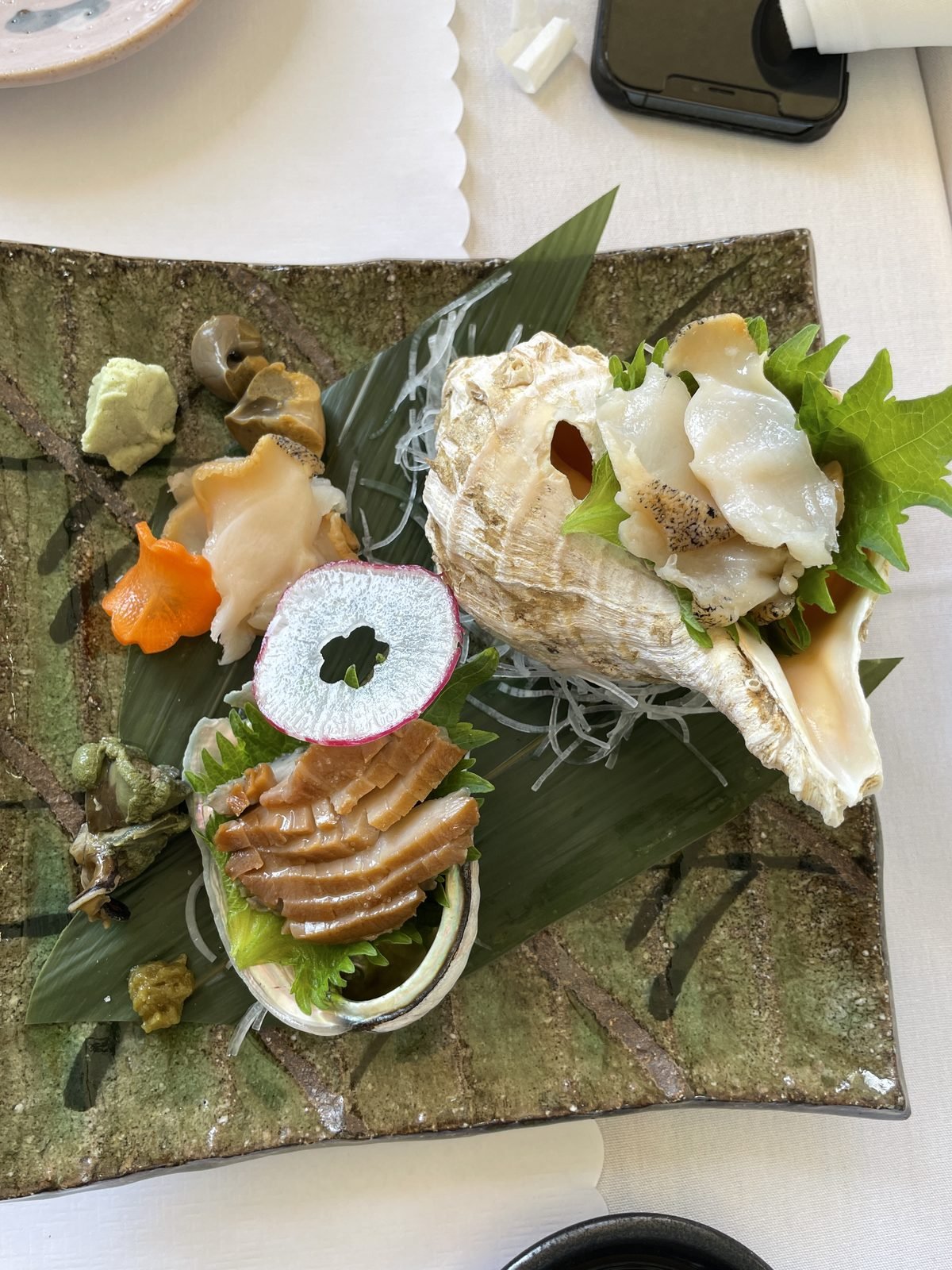
Octopus, sliced thin enough to be tender instead of chewy — the version that reminds you octopus is supposed to be delicate.
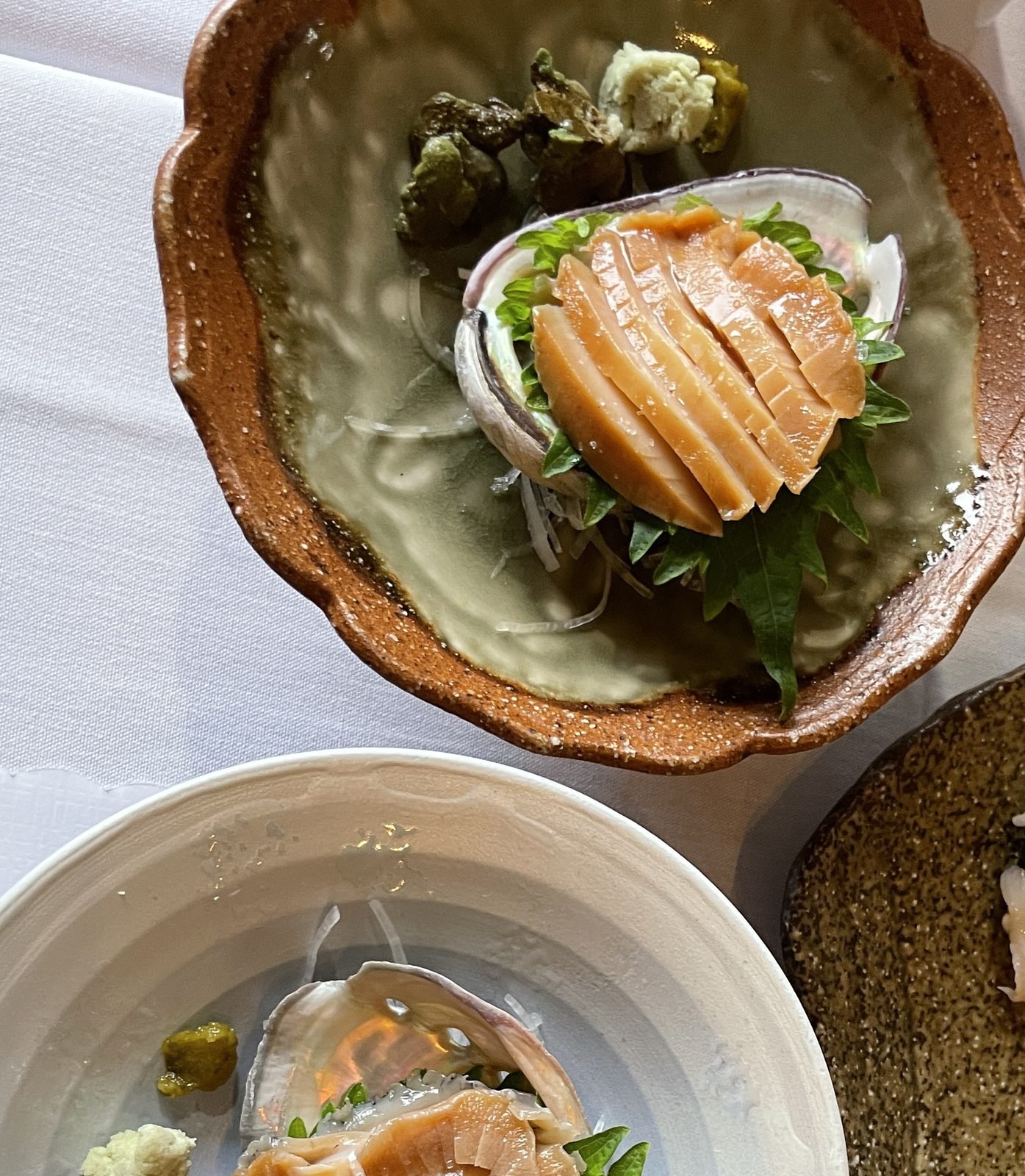
Abalone, flown in from Japan and served in its own shell. This is the one I think about between visits.
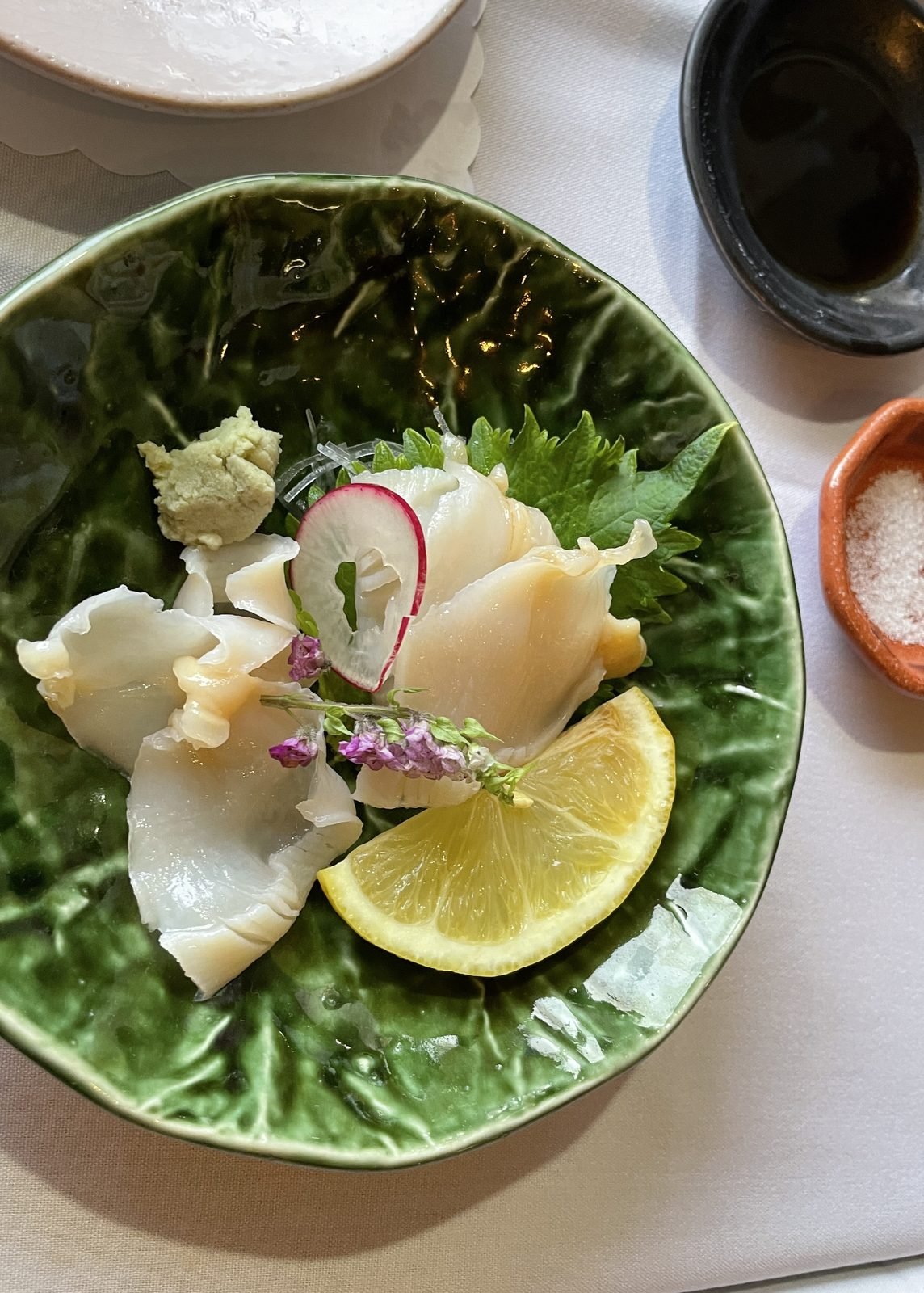
Mirugai — giant clam — cut into wide, crisp slices. It snaps rather than yields, and it tastes faintly sweet.
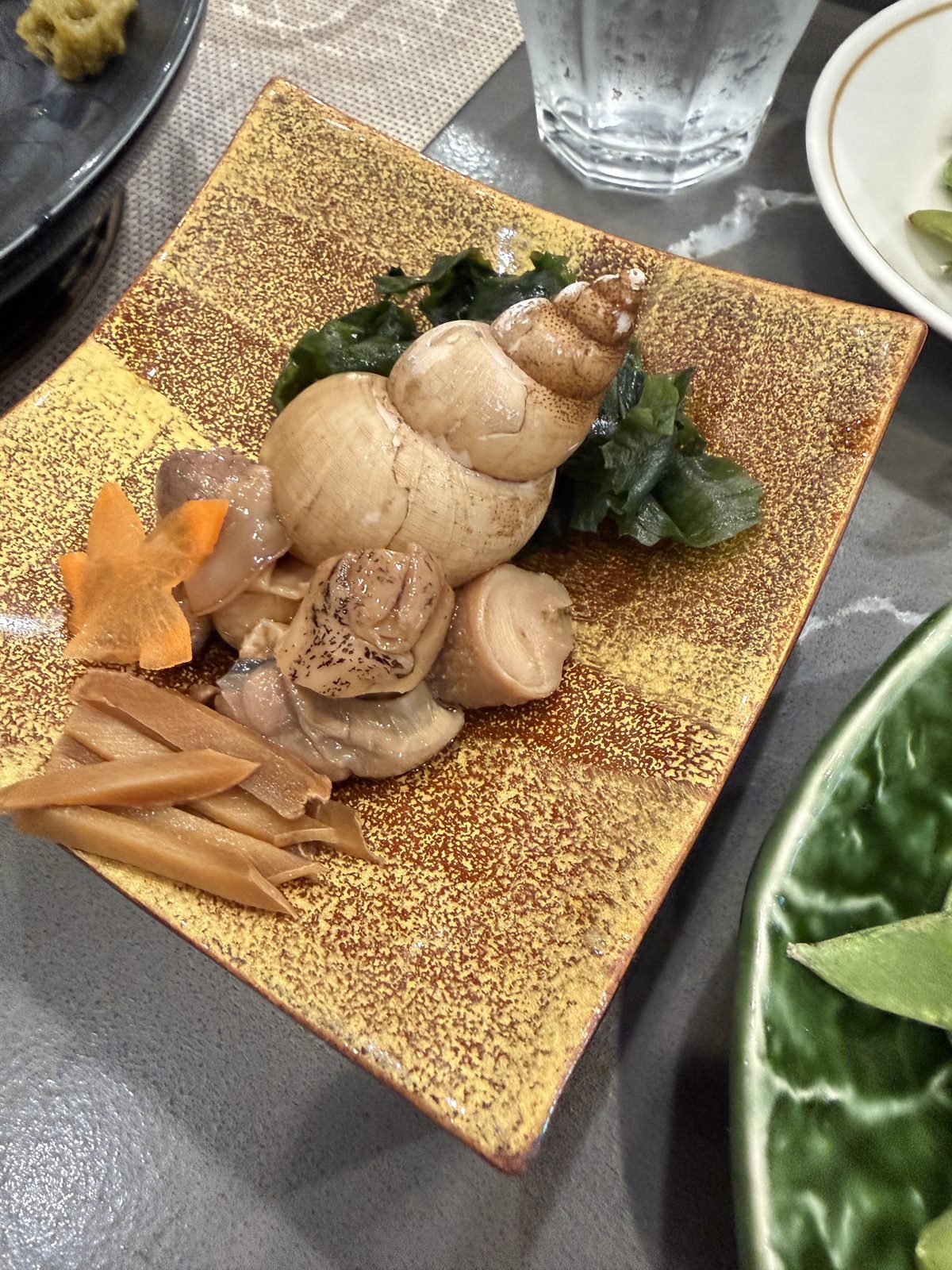
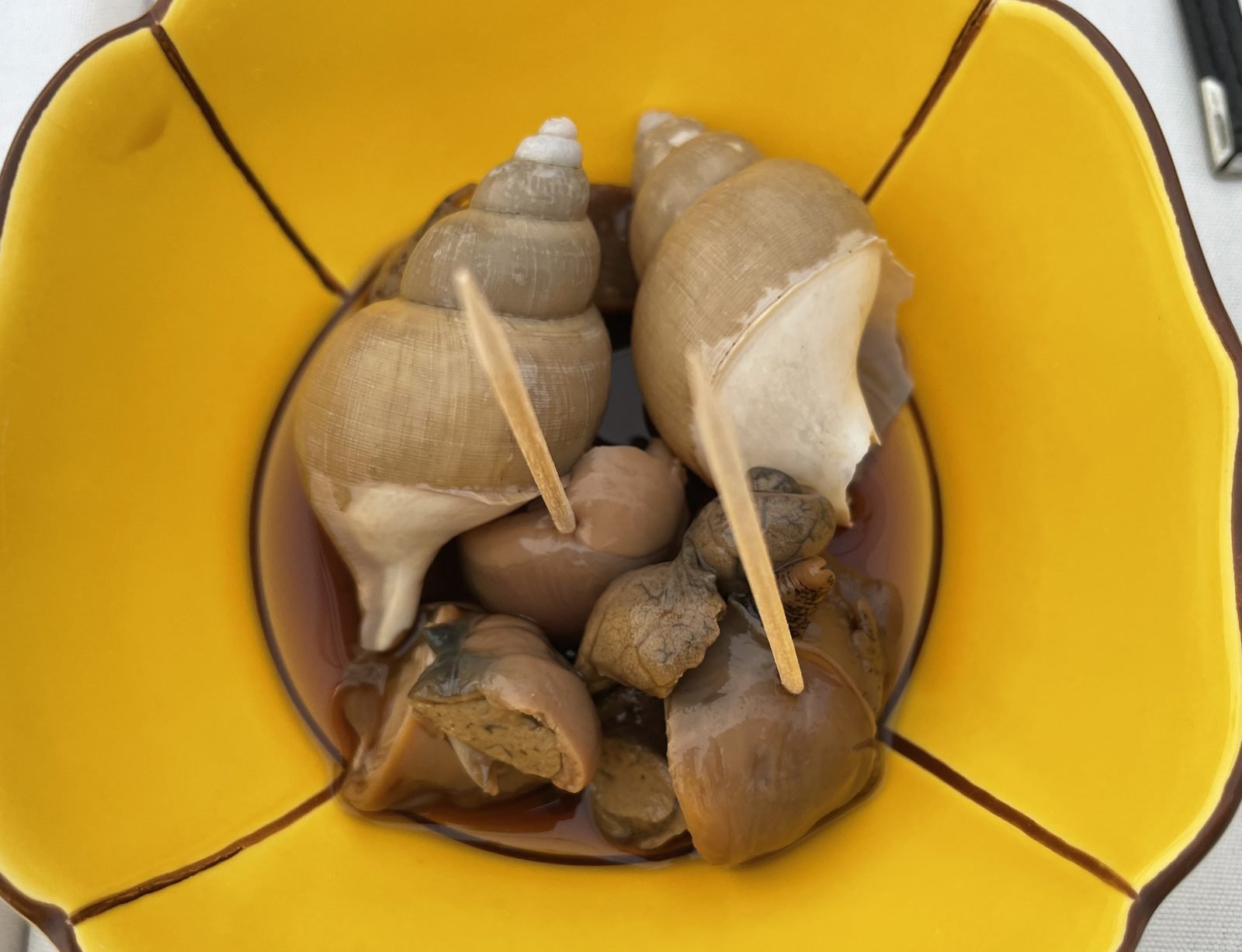
Simmered sea snail — sora — came out in a little gold dish, served in the shell with the broth still warm. You pull the meat out in one slow turn. Small, patient, and very good with sake.
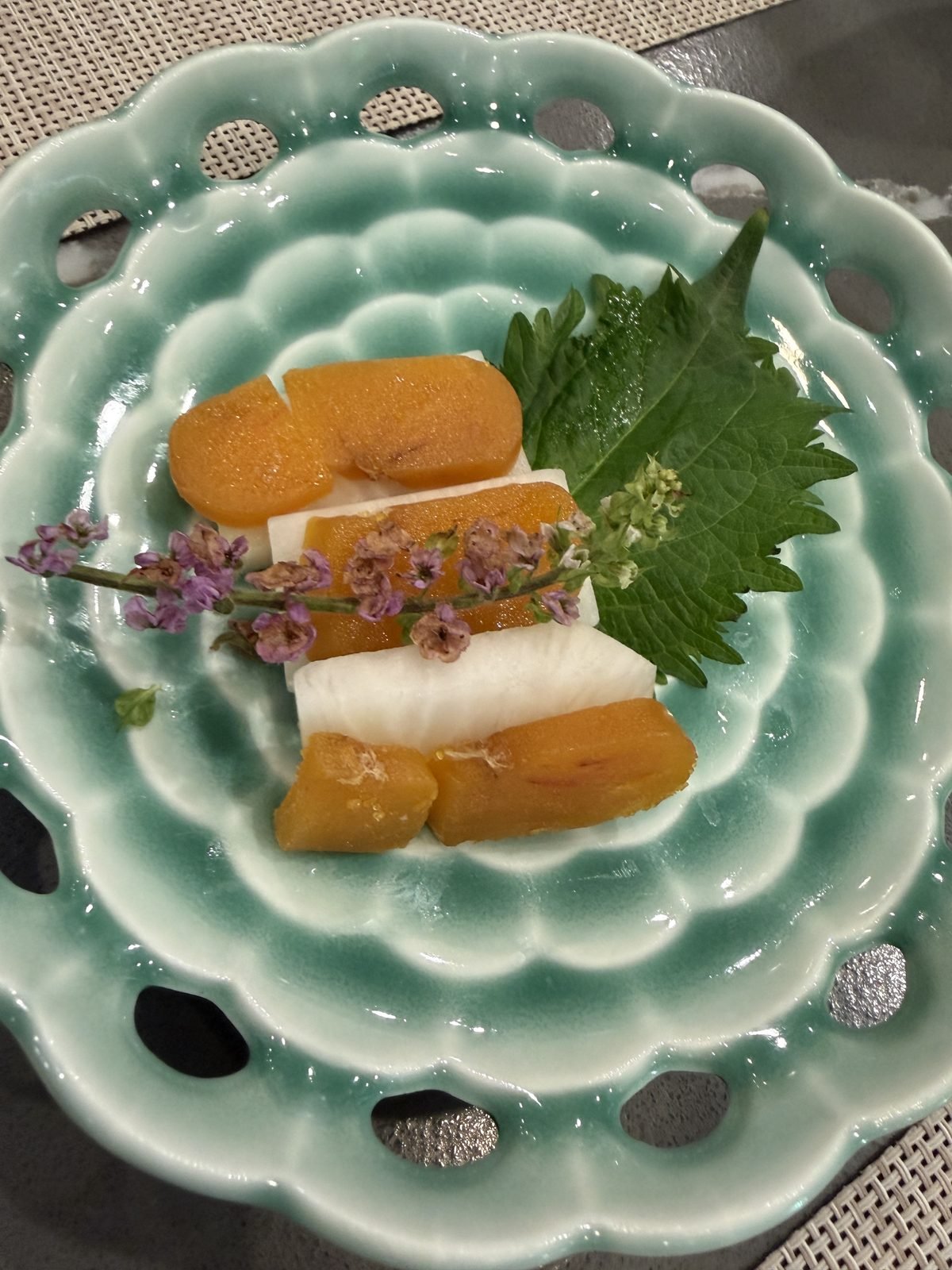
And karasumi — cured mullet roe — sliced and layered with daikon. Salty, dense, almost like a firm cheese, and meant to be taken one slow bite at a time.
Sashimi and the fried course
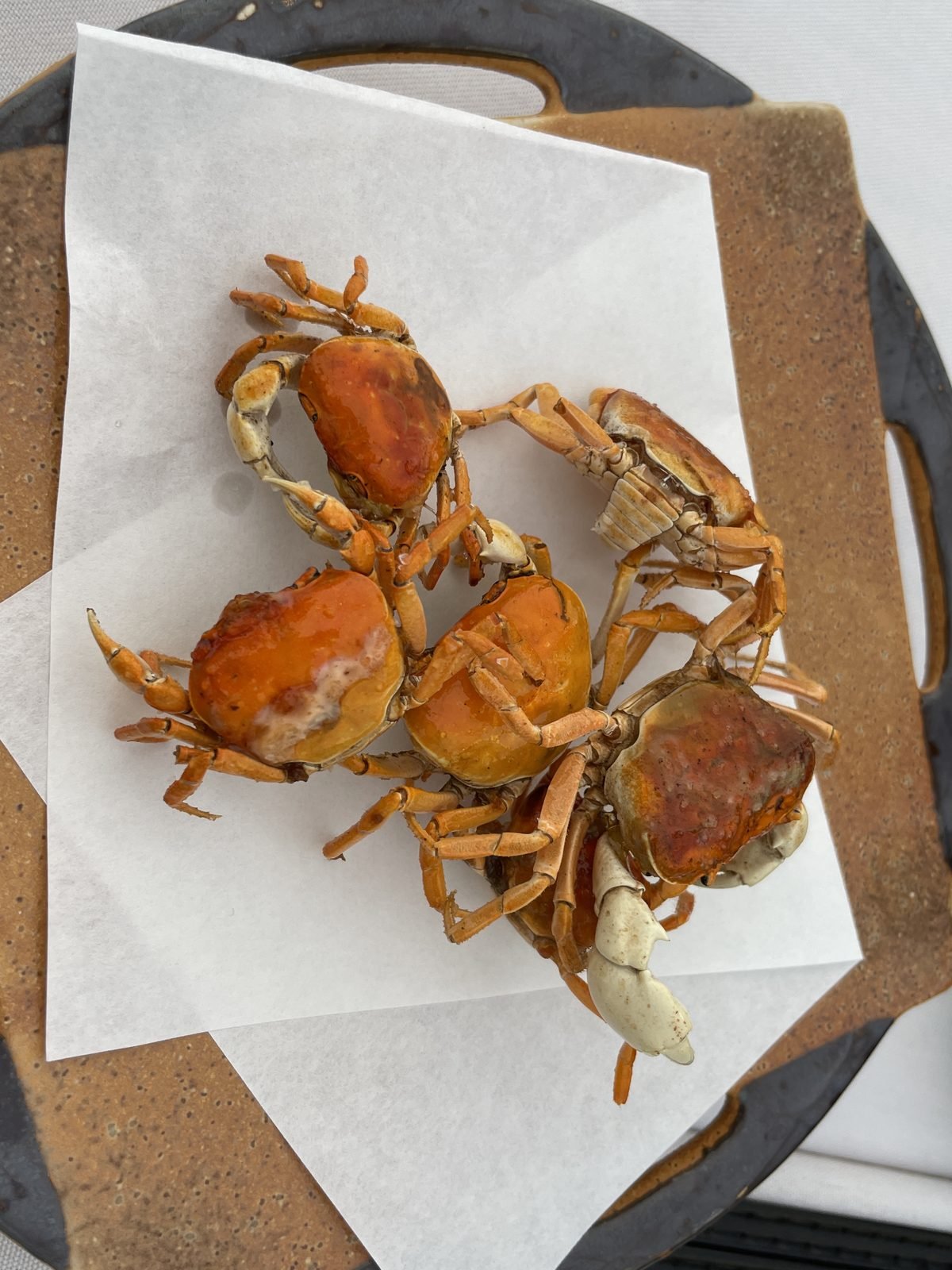
Soft-shell crab, fried whole and eaten the same way. It is the one loud dish in a quiet meal.
The nigiri
This is where the sourcing shows. The rice is warm and loose, the fish is cool, and the two arrive at your hand at the same moment — which only happens when the chef is working two feet away from you.
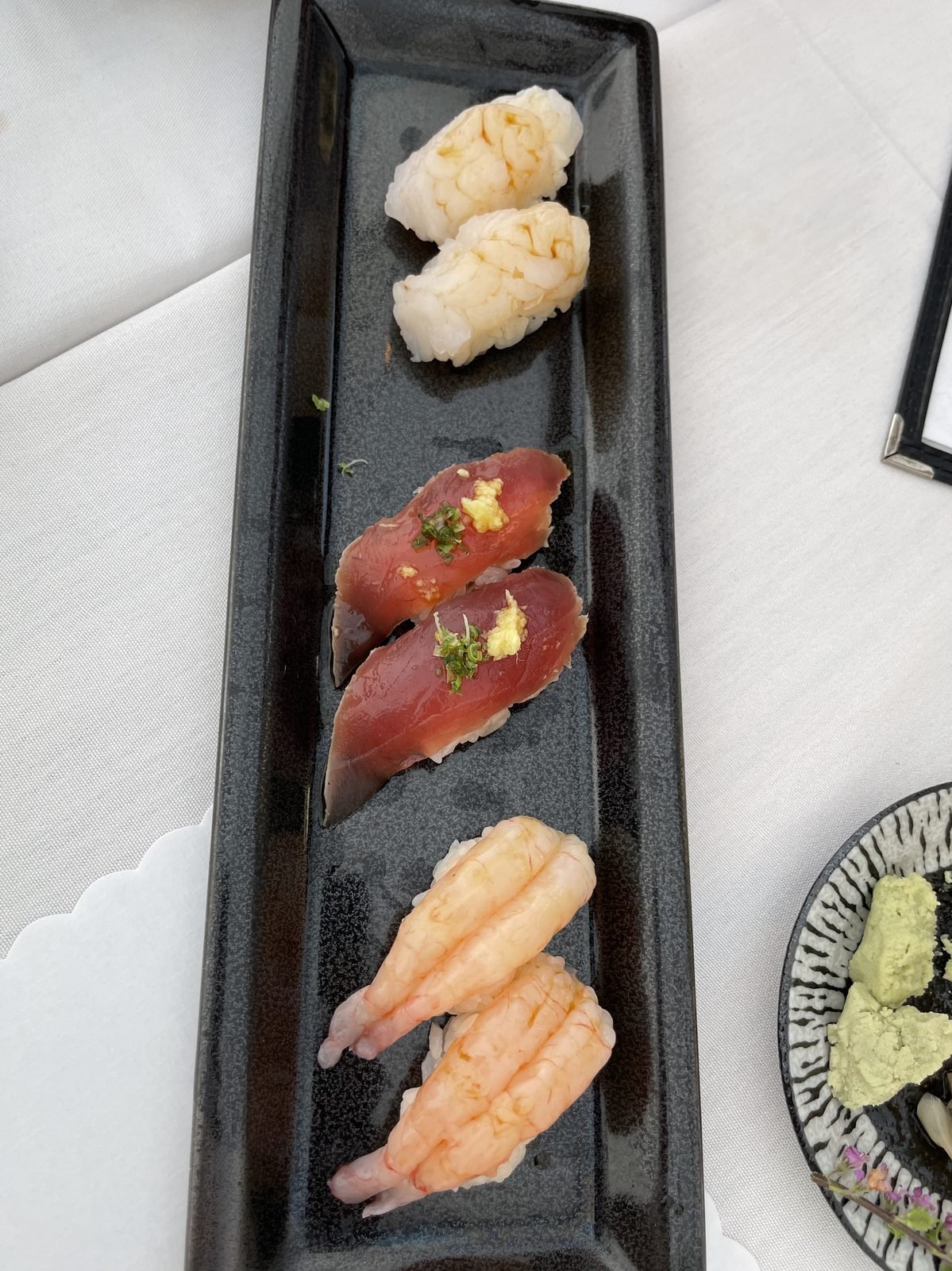
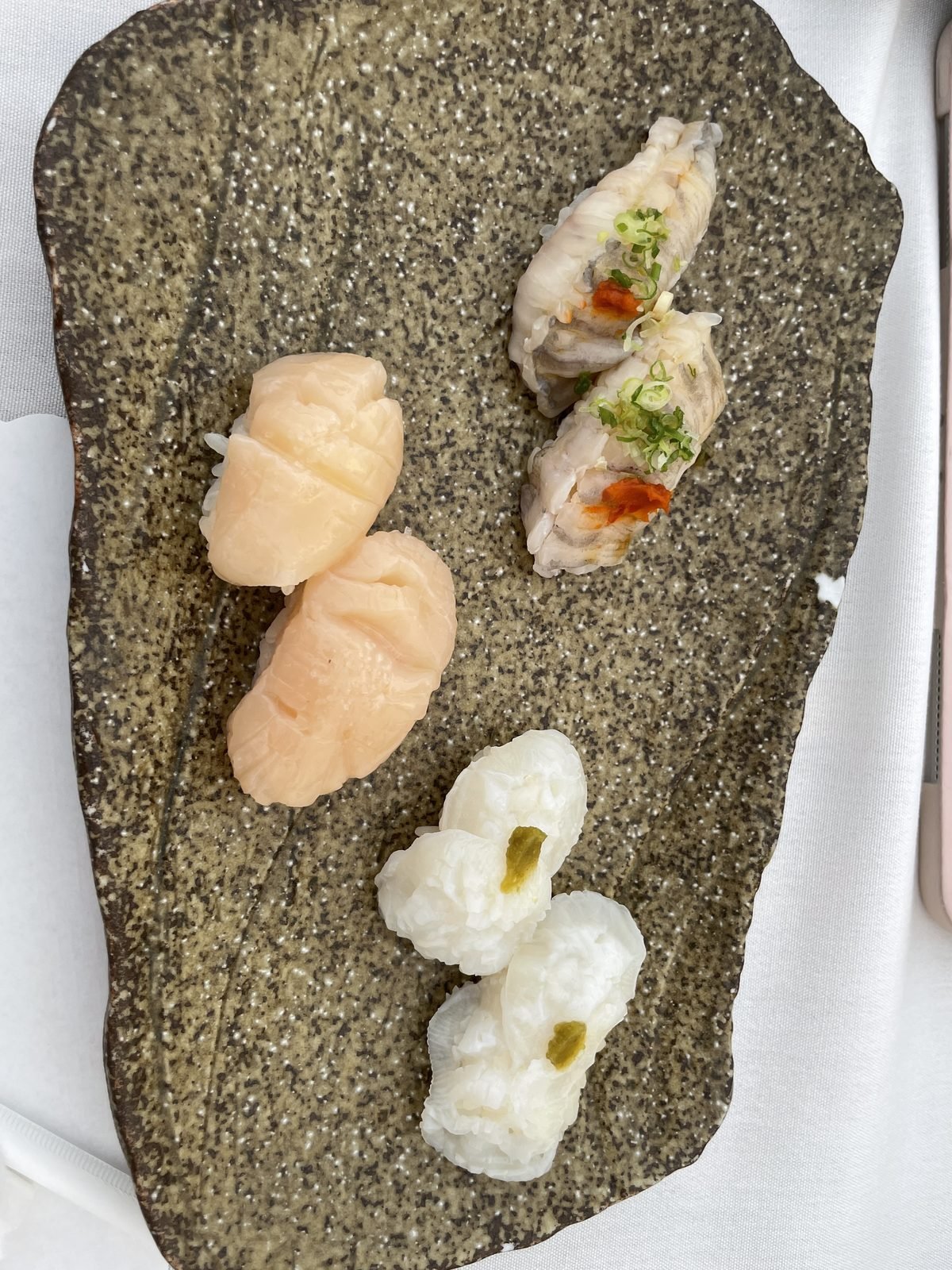
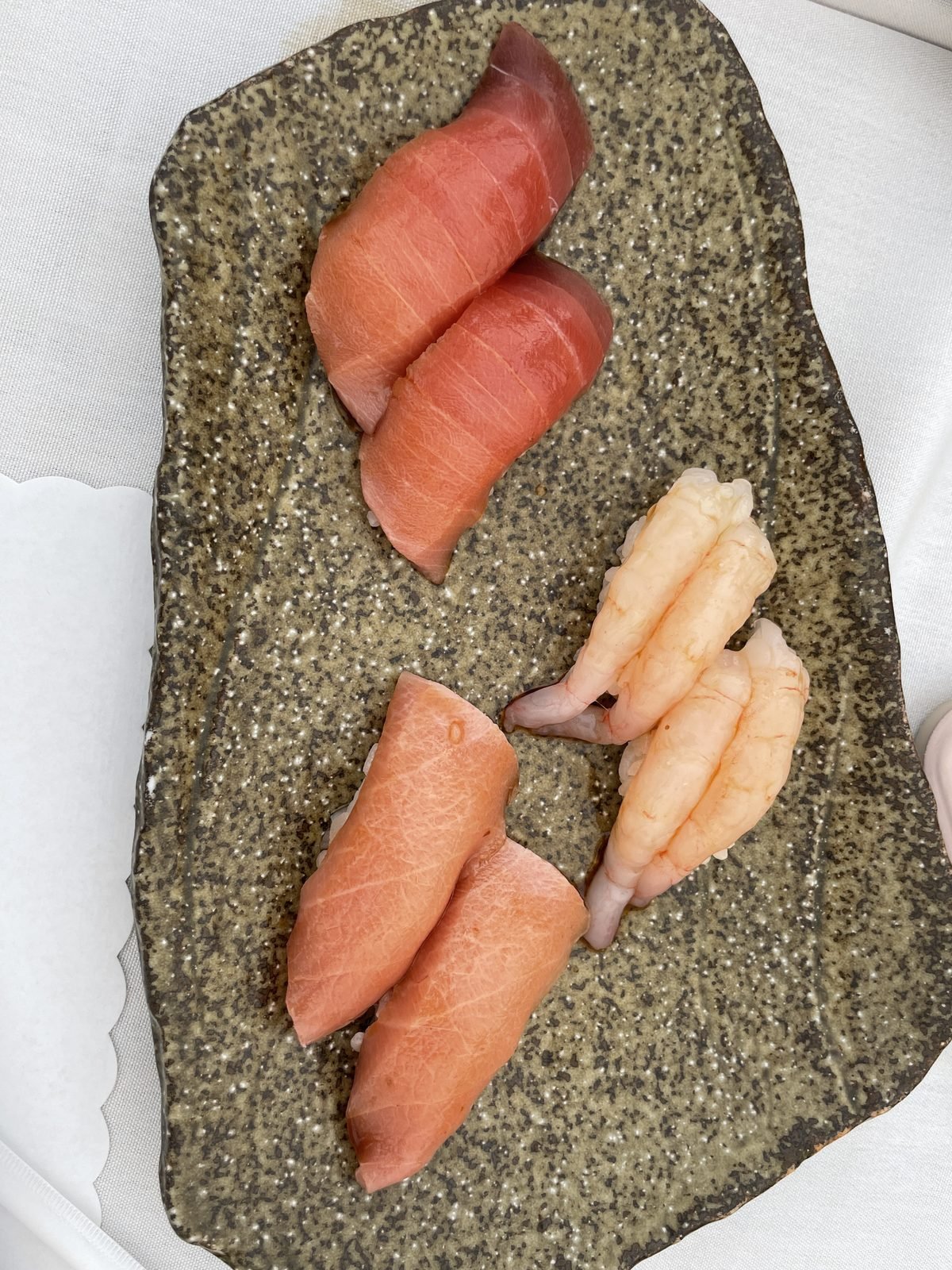
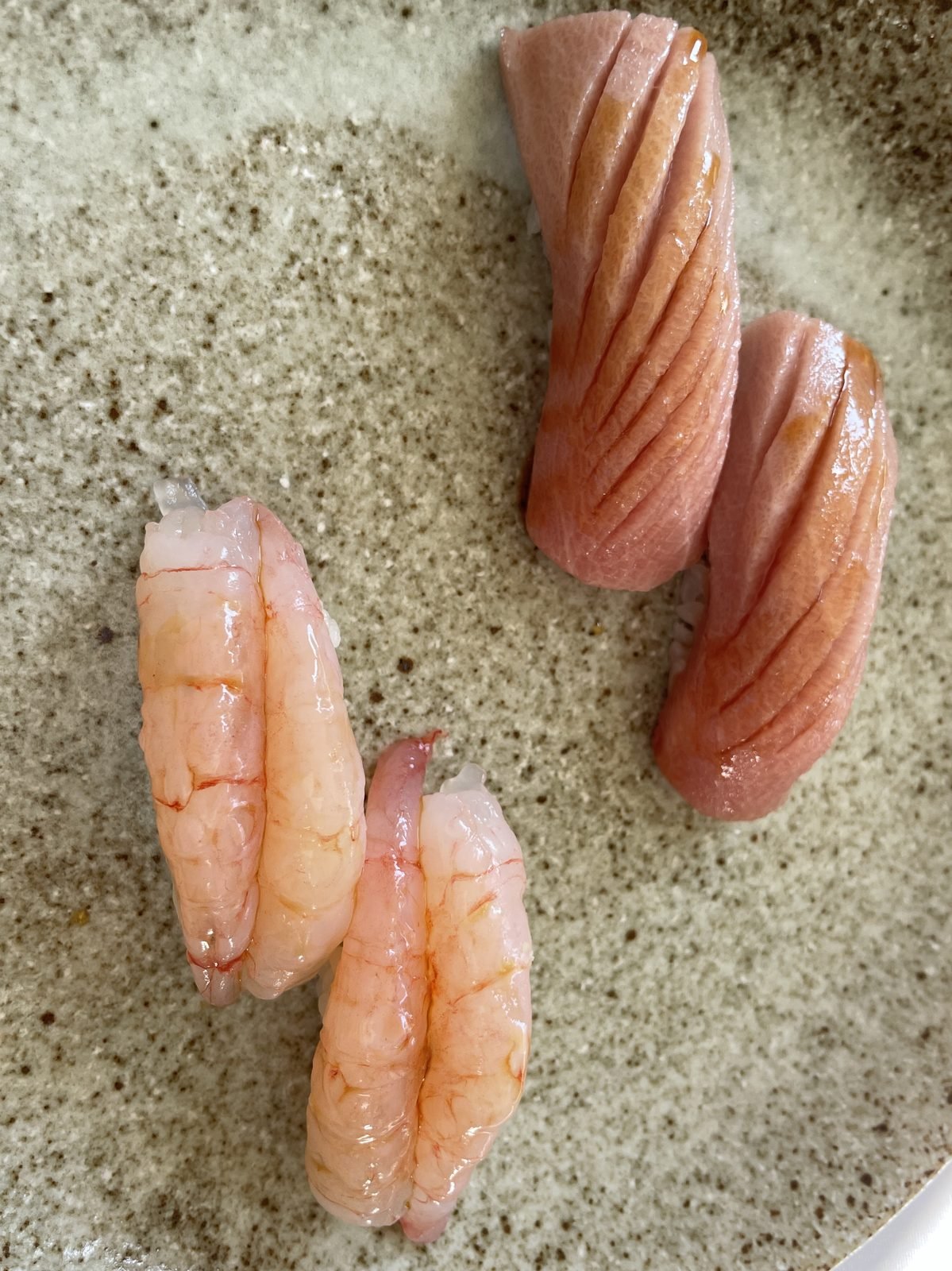
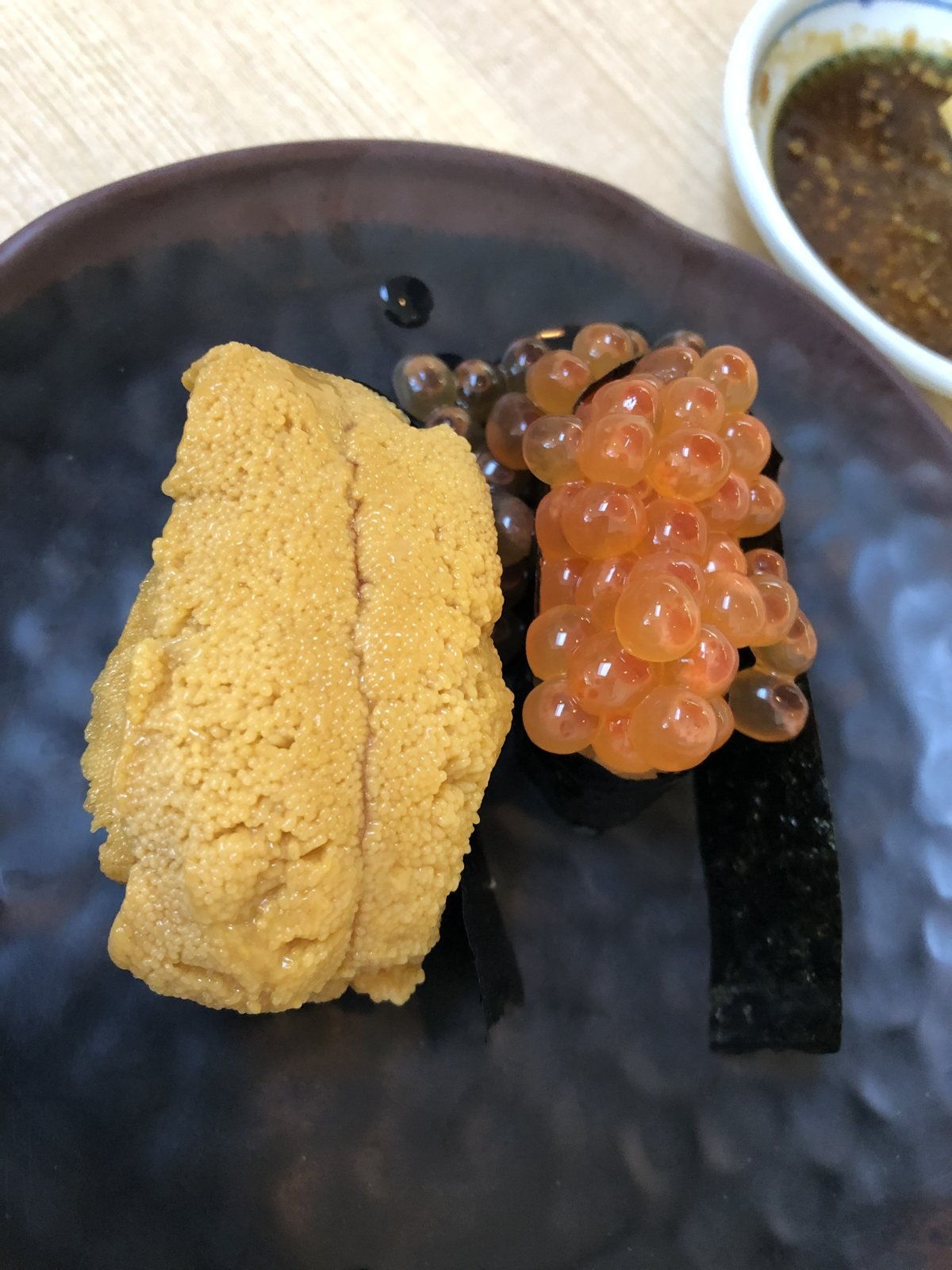
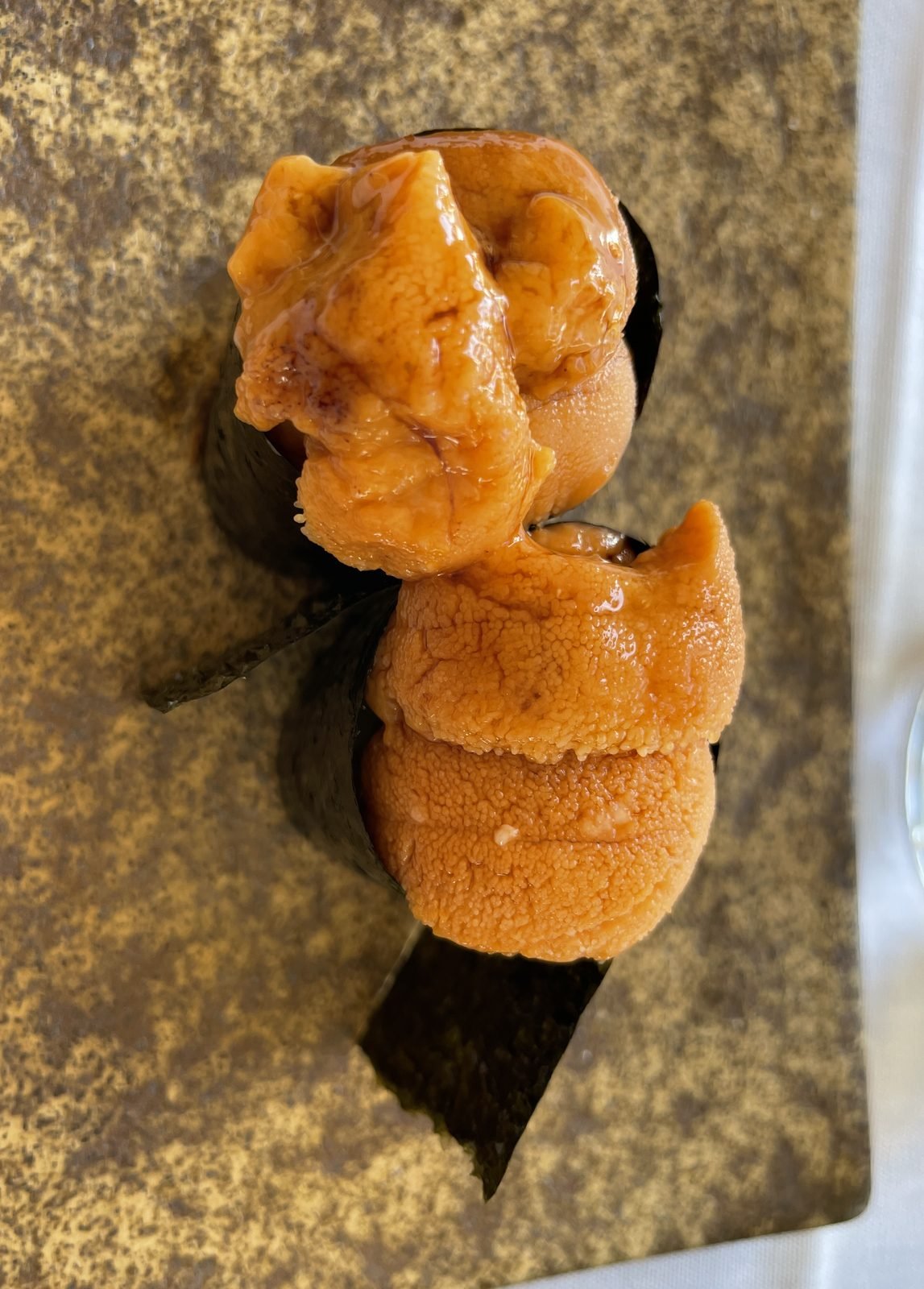
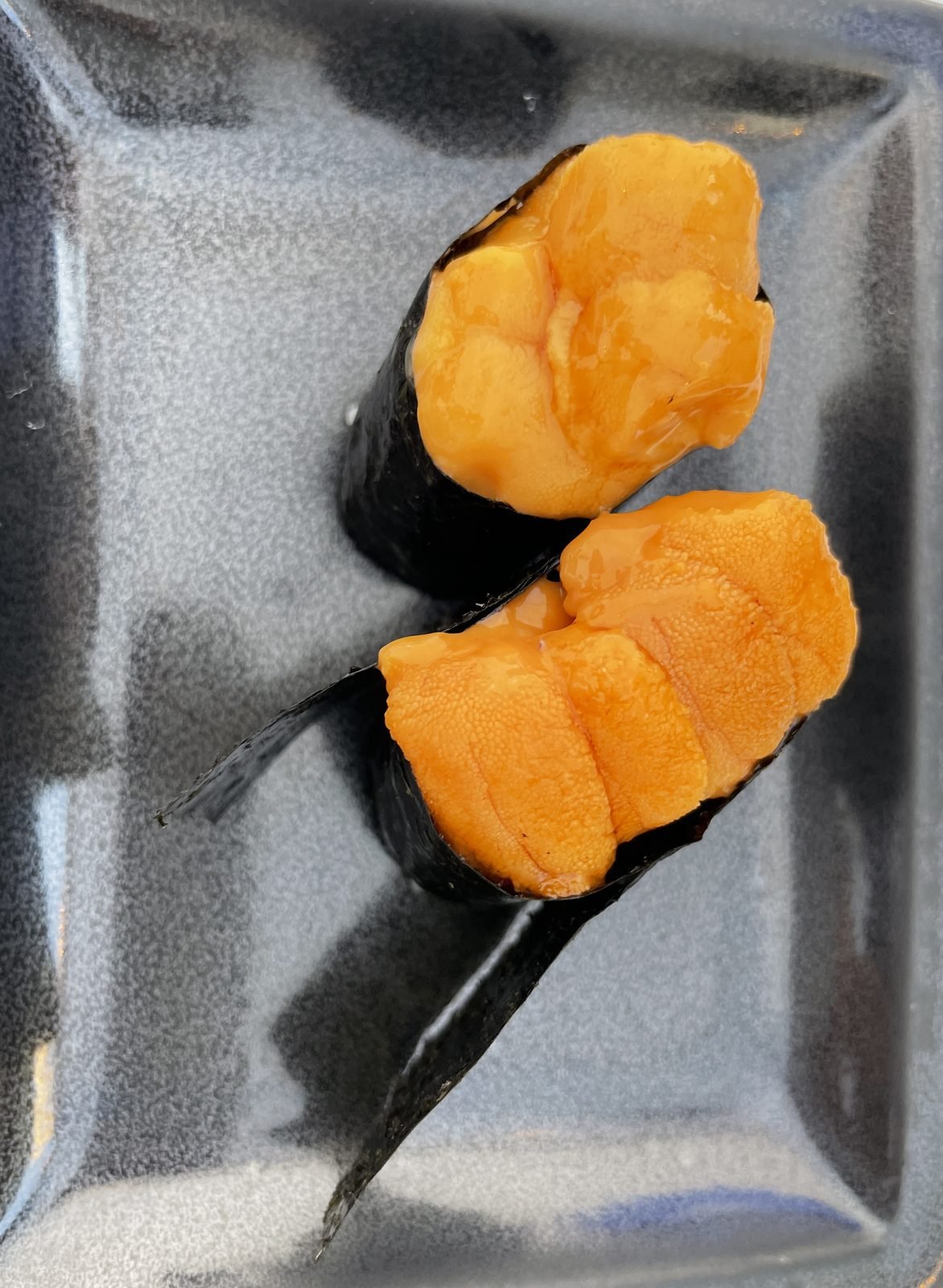
Uni, twice. Once as gunkan and once on its own. Sweet, no metallic edge, no smell of iodine — which is the whole test.
The hand roll I asked for at the end
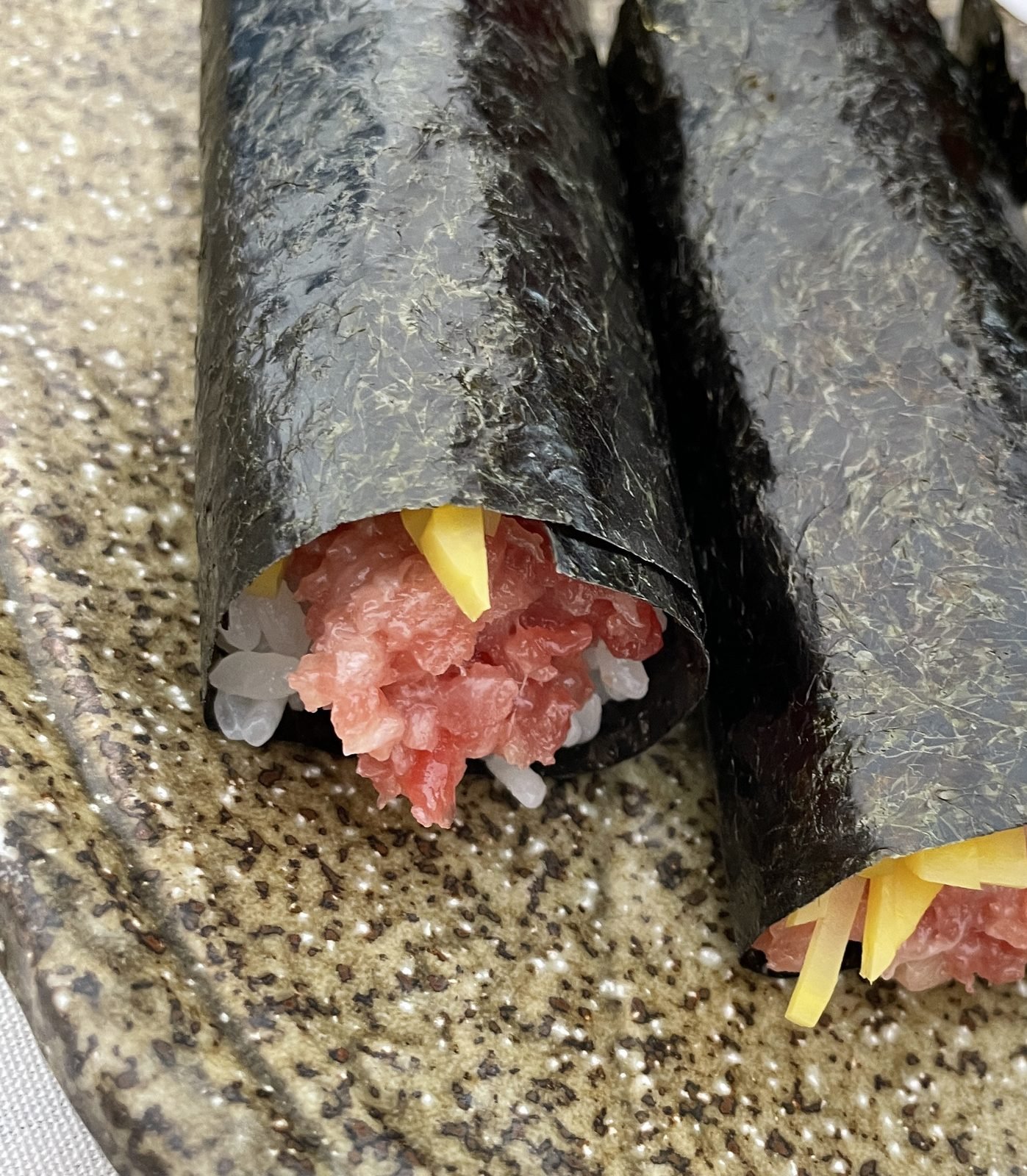
There is a toro, negi and takuan hand roll I first had at Sushi Gen, and I have missed it ever since. So I asked for it here, at the end of the meal, and they made it. It is not the same roll — the takuan is crunchier, the balance is different — but it is its own good thing, and finishing on it felt right.
Tips before you go
- Reserve early. The room is small and it has been hard to book for years.
- Look for the gate on Seventh Street. The Western Avenue side does not make the entrance obvious.
- Sit at the counter if you can. The food reaches you seconds after it is finished.
- Ask about lunch. A ten-piece set is a much softer way to find out whether this is your kind of place.
- Ask for what you want. They made me a hand roll I asked for by name, without a word about it.
- The special omakase needs 48 hours’ notice (please confirm when you book).
Is it worth it?
For the money, the portions are modest — that is the fair criticism, and it is why I do not come often. But the fish is better than what I can get anywhere else in the neighbourhood, the room is quiet, and the chef has not changed. When I do come, I leave without a single regret about the bill. That is a rarer feeling than good sushi.
Good to know
- Where — 700 S Western Ave, Suite 102, Los Angeles, CA 90005 (entrance gate on Seventh Street)
- Phone — (323) 653-0470
- Lunch — Monday to Friday, 11:30am–2:00pm
- Dinner — Monday to Saturday, 6:00pm–10:00pm
- Seating — sushi bar for parties of 1–3, tables for up to 4; larger parties by phone
- Omakase — about 15 to 25 pieces, your choice of how many; a lunch set of 10 pieces is also offered (please confirm when you book)
- Hours and prices change — please confirm before visiting.